
Orthopaedic Conditions
Orthopaedic problems are something almost everyone faces at some point in life. It might start as a small discomfort — a stiff back after a long day, a knee that hurts on the stairs, or a shoulder that just doesn’t move the way it used to. Over time, these little aches can grow into something that affects your daily routine, mood, and overall comfort.
These conditions involve the parts of the body that help you move — bones, joints, muscles, ligaments, and tendons. When any of these stop working properly, even simple activities like getting out of bed, bending, or lifting something can feel surprisingly difficult.
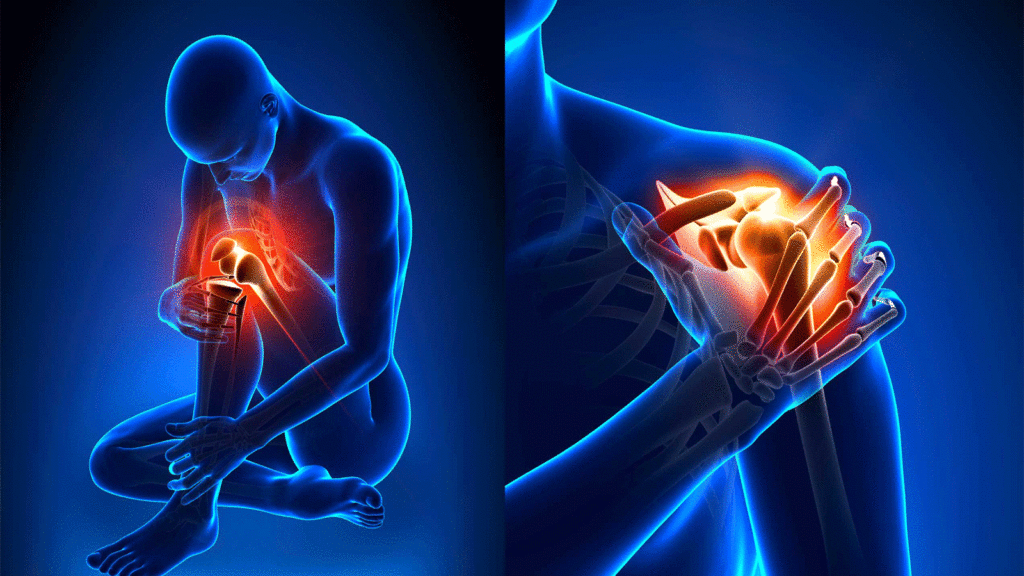
Common Issues People Experience
People usually come in with things like:
Pain in the back or neck from sitting too long or sudden wrong movement
Joints feeling stiff or swollen, especially in the morning
Knee or shoulder pain that keeps returning
Sports injuries — sprains, strains, or ligament issues
Hip discomfort, making walking or sitting uncomfortable
Foot and ankle pain that makes daily activities tiring
For some, the pain starts slowly. For others, it begins suddenly after an injury. Either way, it’s your body’s way of saying something isn’t right.
When Should You Take It Seriously?
If the pain is:
stopping you from doing normal activities
getting worse over time
affecting your sleep
causing weakness, numbness, or swelling
or simply not improving even after rest
…it’s important to get it checked. Ignoring it often makes the problem bigger later.
How Treatment Helps?
Most orthopaedic conditions can be managed well with the right care — physiotherapy, exercises, lifestyle changes, or medication. Many people start feeling better once they understand what’s wrong and how to protect that part of the body. In more serious cases, advanced treatments or surgery might be recommended, but that’s usually only when absolutely needed.
Why Early Help Matters?
Getting help early prevents long-term damage and helps you get back to your normal routine faster. You don’t have to wait for the pain to become unbearable. The moment it starts affecting your daily life, that’s the right time to consult a specialist.