
Cardiac Physiotherapy in Gurgaon
Cardiac physiotherapy is a medically supervised program that helps improve heart health in people who have experienced a heart attack, heart failure, angioplasty, or heart surgery.
Usually, cardiac physiotherapy is an ongoing process that continues for several months or even longer, depending on the patient’s condition. During the therapy sessions, Dr. Manoj plans personalized cardiac physiotherapy which help reduce stress.
Firstly, a detailed assessment is carried. Based on this assessment, the intensity and type of exercises are carefully decided. Moreover, vital signs such as blood pressure and oxygen levels are monitored regularly during each session to ensure safety and effectiveness.

Prenatal and Postnatal Physiotherapy in Gurgaon
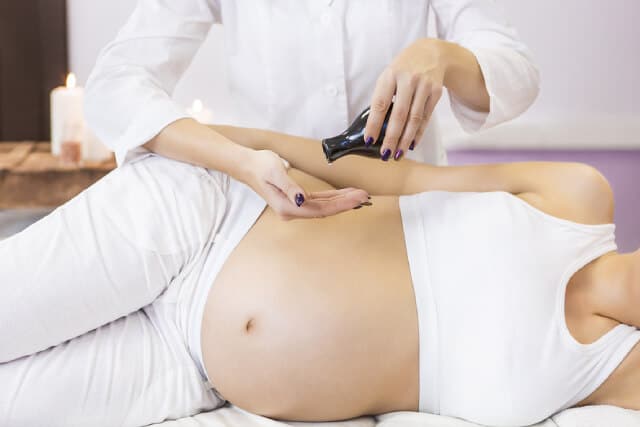
Postnatal Physiotherapy
After pregnancy, many women experience weakness in their pelvic floor muscles. These muscles are essential for bladder control, pelvic stability, and overall core strength. However, pregnancy and childbirth can significantly affect them.
To avoid long-term complications, it is important to begin pelvic floor exercises as early as possible after delivery. Additionally, new mothers often spend long hours holding their baby and performing repeated lifting activities. As a result, this can lead to body aches and postural issues.
Common postnatal problems include:
Stress and urge urinary incontinence
Pelvic and lower back pain
Upper back and neck pain
Diastasis recti (abdominal muscle separation)
Postnatal physiotherapy helps restore strength, reduce pain, and support a healthy recovery after childbirth.
During pregnancy, a woman’s body goes through many physical and hormonal changes in a short period of time. As the baby grows, posture, balance, and muscle strength are affected. Gradually, the increasing weight of the baby puts pressure on the abdomen and pelvic floor muscles.
Because of this added pressure, the pelvic floor muscles must remain strong to support the baby and prevent issues such as urine leakage. In addition, muscles, joints, and ligaments also change, which can lead to various musculoskeletal problems. Therefore, prenatal physiotherapy plays an important role in maintaining comfort and mobility during pregnancy.
Prenatal Physiotherapy
Some common conditions experienced during pregnancy include:
Pelvic girdle, hip, groin, or pubic pain
Lower back pain, sacroiliac joint (SIJ) pain, or sciatica
Thoracic or rib pain
Pelvic floor weakness and urinary incontinence
Carpal tunnel syndrome
Since every pregnancy is different, Dr. Manoj Rajour designs a personalized prenatal physiotherapy program for each patient. Depending on individual needs, the treatment may include pelvic floor and core muscle strengthening, joint mobilization, massage therapy, flexibility exercises, and proper posture education.
FAQ
1. What is Postnatal Physiotherapy?
Postnatal physiotherapy focuses on helping women recover after childbirth by improving mobility, strengthening weakened muscles, reducing pain, and restoring overall physical function.
2. Why is Postnatal Physiotherapy important?
It helps new mothers recover faster, correct posture issues, strengthen the core and pelvic floor, relieve back/neck pain, and prevent long-term complications such as diastasis recti or pelvic organ prolapse.
3. When can I start postnatal physiotherapy?
Most women can begin gentle exercises 6 weeks after normal delivery and 8–12 weeks after a C-section. However, your physiotherapist will guide you based on your condition.
4. Is postnatal physiotherapy safe after a C-section?
Yes, it is safe and beneficial when done under professional guidance. Therapists focus on safe scar mobilization, gentle strengthening, and posture correction.
5. How many sessions do I need?
The number of sessions varies depending on the individual’s recovery, symptoms, and goals. Most women benefit from 6–12 sessions, followed by home exercises.
6. Will the therapy be painful?
No. Postnatal physiotherapy is gentle and tailored to your comfort level. The aim is to relieve pain, not cause it.
1. What is Prenatal Physiotherapy?
Prenatal physiotherapy focuses on helping pregnant women stay active, reduce discomfort, and prepare their bodies for a smoother delivery. It includes safe exercises, posture correction, and pain management techniques.
2. Is prenatal physiotherapy safe during pregnancy?
Yes. Prenatal physiotherapy is completely safe when done under the guidance of a trained physiotherapist who understands pregnancy-related changes.
3. When should I start prenatal physiotherapy?
You can start anytime during pregnancy. Many women begin in the first or second trimester to prevent pain and stay active.
5. Can prenatal physiotherapy help with normal delivery?
Yes. Physiotherapists teach breathing techniques, pelvic floor strengthening, and labor-preparation exercises that may support smoother delivery and reduce complications.
6. How many sessions will I need?
This depends on your pain level, trimester, and overall goals. Many women visit weekly or bi-weekly during pregnancy.