
Cryotherapy
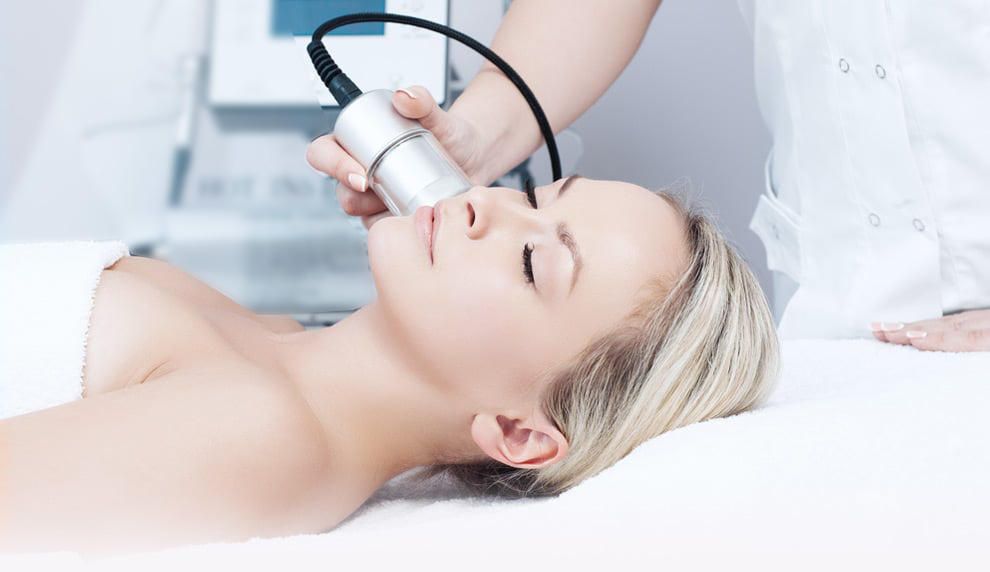
Cryotherapy uses cold therapy to support injury recovery, just like heat therapy supports later-stage healing. In most cases, therapists apply cold during the first 24 to 48 hours after an injury. As a result, cold therapy slows tissue metabolism, limits fluid build-up, and reduces inflammation.
Moreover, cryotherapy helps control pain, muscle spasm, and swelling. It also supports fever reduction and bleeding control. Because cold limits fluid movement into tissues, it decreases pressure and discomfort. Consequently, patients often feel faster relief and improved comfort during early recovery.
In addition, cryotherapy plays an important role in managing acute inflammation and spasticity. Therefore, physiotherapists often include it in early rehabilitation programs.
Conditions commonly treated with Cryotherapy
- Recent injuries
- Osteoarthritis
- Muscle strains
- Gout
- Muscle spasms
- Tendinitis and tendon irritation
- Early acute injury and inflammation
Overall, cryotherapy provides quick symptom relief while preparing the body for further physiotherapy.
Chest physiotherapy
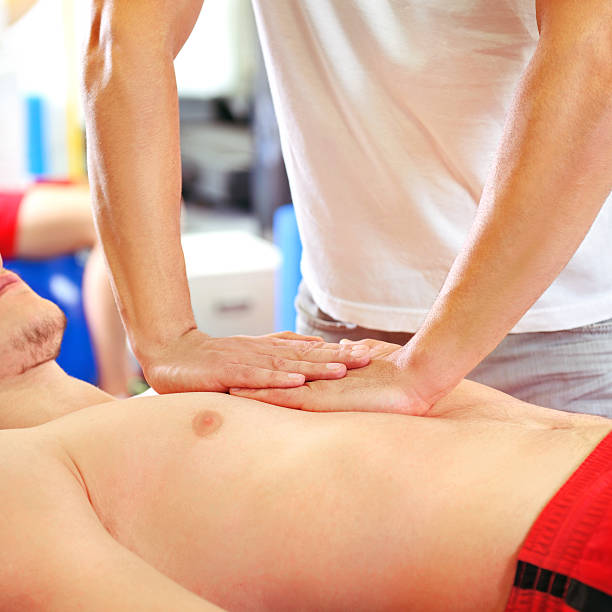
Chest physiotherapy focuses on clearing mucus from large and small airways while helping re-expand under-ventilated lung areas. Through guided techniques, patients breathe more easily and improve oxygen flow. As a result, lung function steadily improves.
Furthermore, this therapy supports people whose cough cannot clear thick or trapped secretions. At Dr. Manoj Rajour’s clinic, patients receive personalized chest therapy programs based on their breathing needs. With strong clinical expertise, Dr. Rajour helps patients regain respiratory strength and daily comfort.
Doctors often recommend chest physiotherapy for:
- Asthma
- Bronchitis
- Chronic obstructive pulmonary disease (COPD)
- Atelectasis
- Pneumonia
- Cystic fibrosis
- Bronchiectasis
- Emphysema
In addition, chest physiotherapy improves airway clearance and supports better lung expansion. Therefore, patients experience less breathlessness and stronger breathing over time.