
Post-Fracture Rehabilitation: Regaining Strength Safely
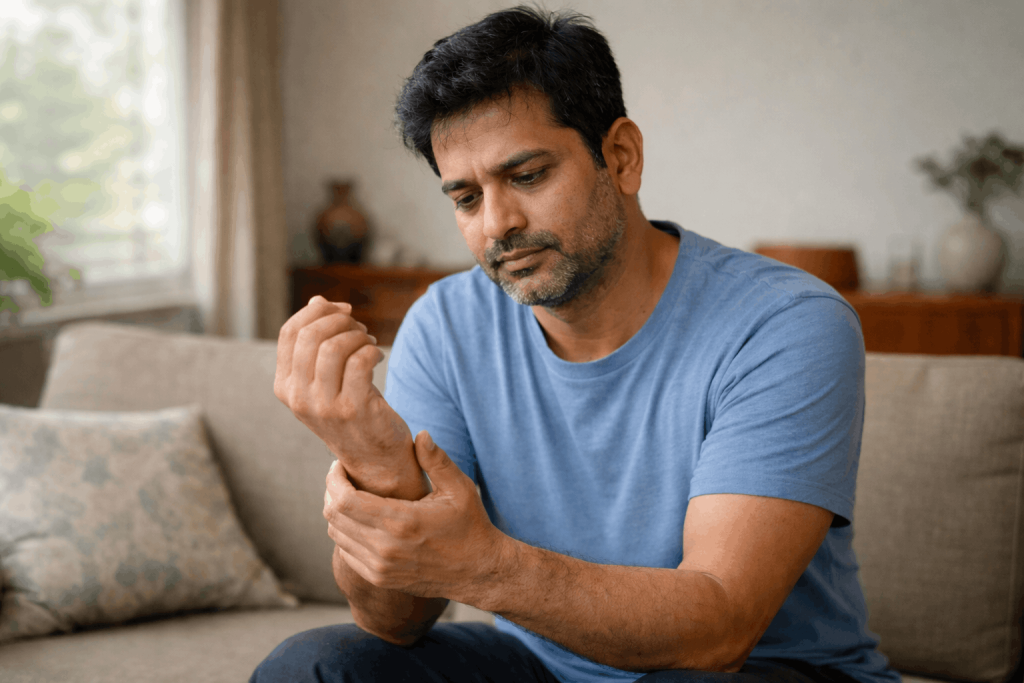
A fracture doesn’t really end when the plaster comes off.
Most people expect that once the bone heals, everything will go back to normal on its own. But that’s usually not how it feels. The first time you try to move properly again, there’s stiffness, weakness, and sometimes a bit of hesitation too.
That’s completely normal.
What actually needs attention after a fracture is not just the bone, but everything around it — the muscles, the joints, even your confidence in using that part again.
After the Cast Comes Off — What People Notice
One common thing patients say is, “It feels tight.”
If it’s a wrist, the movement feels restricted. If it’s a leg, walking doesn’t feel natural at first. This happens because the body hasn’t been used the same way for weeks.
Muscles become weak simply because they weren’t being used. Joints also get stiff when movement is limited for a long time.
So even though the bone may be fine, the body still needs some time to catch up.
Why You Shouldn’t Rush This Phase
It’s tempting to “test” the strength quickly — to walk normally, lift things, or go back to routine work. But doing too much, too soon, can actually bring back pain.
Recovery works better when it’s gradual.
This is where physiotherapy usually comes in. Not heavy exercises, not anything aggressive — just the right movements at the right time.
How Rehabilitation Usually Starts
In the beginning, it’s very basic.
Sometimes the exercise is just trying to move the joint a little more than yesterday. Or gently activating a muscle that hasn’t been used for a while.
It may not feel like much, but these small movements matter.
They prepare the body for the next stage.
Slowly Getting Strength Back
As days go by, things start improving. Movement becomes easier, stiffness reduces, and exercises become slightly more active.
For example, after a leg fracture, the focus gradually shifts to standing balance and walking properly again. With an arm injury, it might be about lifting, reaching, or even holding small objects comfortably.
There’s no fixed timeline here. Some people recover faster, some take a bit longer. Both are normal.
The Mental Side of Recovery
One thing that often goes unnoticed is the hesitation.
Even when the doctor says the bone has healed, many people feel unsure about putting full weight or using that hand normally. There’s always a small thought — “What if it hurts again?”
That hesitation reduces slowly, especially when movement is guided and safe.
Why Consistency Matters More Than Effort
A mistake people make is doing exercises for a few days and then stopping once they feel “better.”
But recovery doesn’t work like that.
It’s the regular, repeated movement — even if it feels small — that brings real improvement. Skipping this phase can leave long-term stiffness or weakness.
Getting Back to Normal Life
The final goal is simple — using your body without thinking twice.
Walking without a limp, lifting things without discomfort, moving freely without fear.
For some people, this also means getting back to sports or physically demanding work. In those cases, strengthening becomes a bit more structured before returning fully.
In Simple Words
Healing doesn’t finish when the fracture heals.
It finishes when movement feels natural again.
Post-fracture rehabilitation is really about giving your body that extra support it needs to return to normal — safely, not suddenly.
And when it’s done properly, you don’t just recover… you feel stable again.
For related recovery guidance, see rehabilitation after joint replacement surgery, or consult the best physiotherapist in Sector 51 Gurugram.