
Posture Correction with the Help of Physiotherapy

In today’s digital world, where we spend hours hunched over laptops and glued to our smartphones, poor posture has quietly become one of the most common causes of pain and discomfort. Many people experience daily aches and fatigue without realizing that the root cause may be how they sit, stand, and move. The good news is, posture isn’t permanent — and physiotherapy can help correct it.
Physiotherapy offers a scientific and structured approach to identifying, treating, and preventing posture-related issues. With a blend of manual therapy, exercises, education, and lifestyle adjustments, physiotherapists help patients regain balance in the body, reduce pain, and stand taller — literally and figuratively.
Why Posture Matters
Posture is more than just standing up straight. It’s the way your body aligns and holds itself while sitting, standing, walking, or even sleeping. Good posture maintains the natural curves of your spine, reduces stress on your muscles and joints, and allows your body to function efficiently.
On the flip side, incorrect posture can result in
- Chronic neck and back pain

- Headaches
- Fatigue
- Reduced lung capacity
- Digestive issues
- Increased risk of injury
- If you ignore , these issues can gradually disrupt your body activities and may lead to lasting damage in your spine and joints.
- Common Postural Problems
- Some of the most frequently seen postural issues include:
- Forward head posture: Commonly develops from extended periods of looking at screens.
- Rounded shoulders: A result of slouching or muscle imbalance
- Hunchback (kyphosis): Excessive rounding of the upper back
- Anterior pelvic tilt: Common in people who sit for long periods
- Flat feet or collapsed arches: Affect posture from the ground up
Physiotherapists are trained to identify these patterns and understand how they affect your movement and health.
How Physiotherapy Helps Correct Posture

- Postural Assessment and Diagnosis
The first step is a thorough postural assessment. Your physiotherapist will observe your standing and sitting posture, analyze your movement patterns, and test for muscle imbalances, joint restrictions, and flexibility issues. This evaluation forms the basis of your customized treatment plan.
- Releasing Tight Muscles

Poor posture often results in tight, overworked muscles — such as the chest, neck, hip flexors, or lower back. Physiotherapists use techniques like myofascial release, manual therapy, trigger point therapy, and stretching routines to relax these muscles and restore their natural length.
- Strengthening Weak Muscles
Equally important is strengthening the muscles that have become weak due to disuse. These typically include:
- Core muscles (abs and lower back)
- Glutes
- Mid-back (rhomboids, trapezius)
- Neck stabilizers
Through carefully designed exercises, your physiotherapist helps activate and strengthen these areas, making it easier for your body to maintain a better posture naturally.
- Corrective Exercises and Postural Training
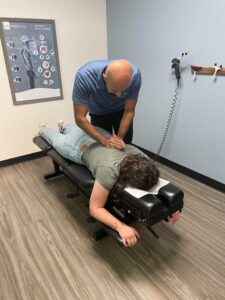
You’ll be guided through exercises and movements aimed at retraining your body to move and hold itself properly. This may include balance exercises, posture drills, stability work, and breathing techniques to improve spinal alignment and muscle coordination.
- Ergonomic and Lifestyle Advice
- Bad posture is often reinforced by our daily habits. Your physiotherapist will give practical advice on:
- Setting up your workstation ergonomically
- Choosing the right pillow and mattress
- Lifting and carrying objects safely
- Incorporating movement breaks into your day
- Small lifestyle tweaks can go a long way in preventing posture from slipping back into old patterns.
The Long-Term Benefits of Posture Correction

Correcting your posture isn’t just about reducing pain or looking confident — although those are great perks! It also:
- Improves breathing and circulation
- Boosts energy levels
- Enhances athletic performance
- Reduces stress on joints and ligaments
- Prevents future injuries
- Promotes overall well-being
Most importantly, physiotherapy helps create body awareness, so you become more conscious of how you move and how to protect your body for the long term.
Conclusion
Posture problems often develop gradually and silently. But with the right intervention, they can also be corrected effectively. Physiotherapy provides a holistic, non-invasive solution to help you realign your body, relieve pain, and regain confidence in your movement.
Whether you work a desk job, drive for long hours, or simply want to improve your posture and health, a visit to a physiotherapist might be the most rewarding step you take.
Stand tall — your body deserves it.