
Rehabilitation After Joint Replacement Surgery
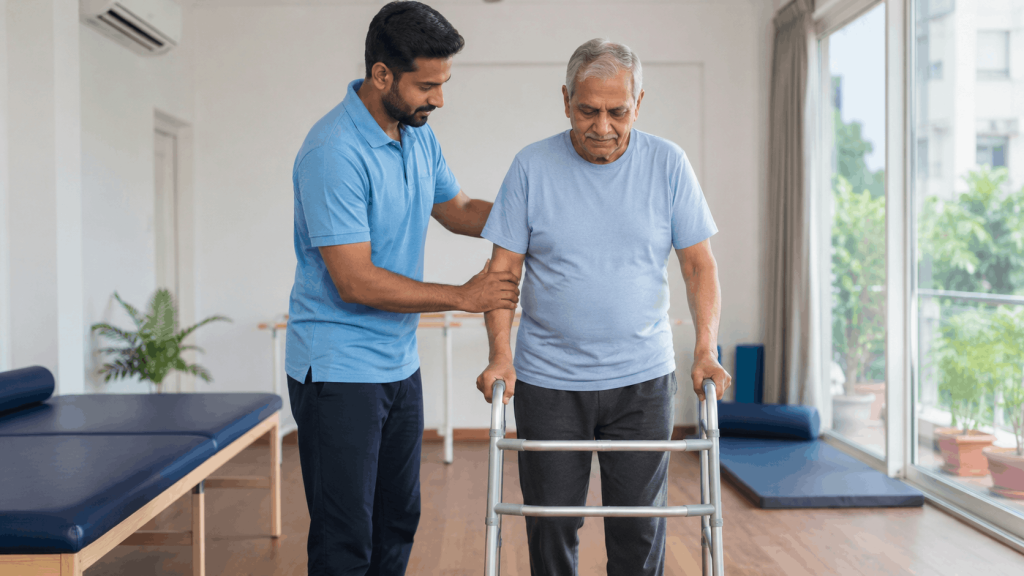
Most people who go through joint replacement surgery have already been dealing with pain for a long time.
It usually starts gradually.
Maybe the knee hurts while climbing stairs. Or the hip feels stiff every morning. At first, people adjust to it. They walk a little slower. Avoid certain movements. Sit down more often.
Then one day they realize the pain has quietly become part of daily life.
That’s often the point where surgery enters the conversation.
And after the operation, there’s usually a sense of relief. The difficult part is over.
But recovery doesn’t really stop after surgery.
In many ways, that’s where the next phase begins.
The Body Needs Time to Trust the Joint Again
One thing patients rarely expect is how strange movement can feel in the beginning.
Even standing up feels different at first.
Not necessarily because something is wrong — the body just isn’t used to the change yet.
Before surgery, the joint may have been painful for months or years. During that time, the muscles around it often become weaker because the body naturally avoids movement that hurts.
So after surgery, the new joint is there… but the body still needs to relearn how to move comfortably.
That’s why rehabilitation matters so much.
The First Few Days Are Usually Slow
Recovery after joint replacement isn’t dramatic overnight progress.
It’s small things.
Sitting up comfortably.
Taking a few careful steps.
Learning how to move without putting too much strain on the body.
For some people, even getting out of bed feels tiring during the first few days.
And honestly, that’s normal.
The body has just gone through major surgery. It needs time.
Where Physiotherapy Comes In
This is usually the stage where physiotherapy becomes part of daily life.
Not intense workouts. Not anything extreme.
Mostly guided movement.
A physiotherapist helps the patient start using the joint safely again. Little by little, the body begins to regain flexibility and strength.
At first, the exercises may seem surprisingly basic.
Simple leg movements. Gentle bending exercises. Short walks.
But these small movements are important because they help prevent stiffness and improve mobility early on.
Recovery Isn’t Always Linear
This part catches many people off guard.
Some days the joint feels stronger. Other days it suddenly feels stiff again.
That doesn’t automatically mean something is wrong.
Recovery tends to move in phases. The body responds differently day by day depending on swelling, activity, and fatigue.
Physiotherapists usually remind patients not to panic over temporary soreness or stiffness.
Consistency matters more than perfection.
Walking Starts to Feel Natural Again — Slowly
A lot of patients say the same thing during rehabilitation.
At first, they don’t fully trust the joint.
Even after the pain decreases, the mind still remembers the discomfort from before surgery.
So people walk carefully. Hesitantly.
That confidence comes back gradually.
With regular therapy and practice, movements start feeling smoother. Walking becomes less stressful. Stairs feel easier.
And eventually, many people notice they’re moving without constantly thinking about the joint anymore.
That’s often a big milestone.
Exercises Continue at Home Too
One thing physiotherapists emphasize is that recovery doesn’t only happen during therapy sessions.
The exercises done at home matter just as much.
Usually, they’re simple routines repeated consistently every day.
Nothing fancy.
But over time, those repeated movements help rebuild the muscles supporting the joint.
And honestly, those small daily efforts are often what create the biggest improvements later.
Recovery Is Also Mental
People talk a lot about physical healing after surgery.
But there’s a mental side too.
Some patients become nervous about falling. Others worry they’ll damage the new joint if they move the wrong way.
That fear is understandable.
Part of rehabilitation is simply helping the patient feel confident in their body again.
Sometimes reassurance helps as much as the exercises.
Why Home Rehabilitation Helps Many Patients
For older adults especially, frequent travel after surgery can feel exhausting.
That’s why many families now choose home physiotherapy during recovery.
It’s easier for the patient. Less stressful too.
The therapist works with the patient in their actual environment — the same stairs they use every day, the same chair they sit on, the same walking space at home.
That practical approach often makes movement feel more natural.
Progress Usually Comes Quietly
Recovery after joint replacement rarely happens in one dramatic moment.
It’s gradual.
One week you notice standing feels easier.
Later, walking improves.
Then one day you realize you climbed stairs without thinking about the pain.
And for many people, that’s the moment it really sinks in.
The joint that once made everyday life difficult is no longer controlling every movement.
For home-based recovery support, explore our home physiotherapy services, or consult the best physiotherapist in Sector 51 Gurugram.